Polarized vs UV Protection: What's the Difference?
Polarization and UV blocking solve different problems. Here is how to choose.
By Lumora Editorial Team · July 29, 2026 · 4 min read
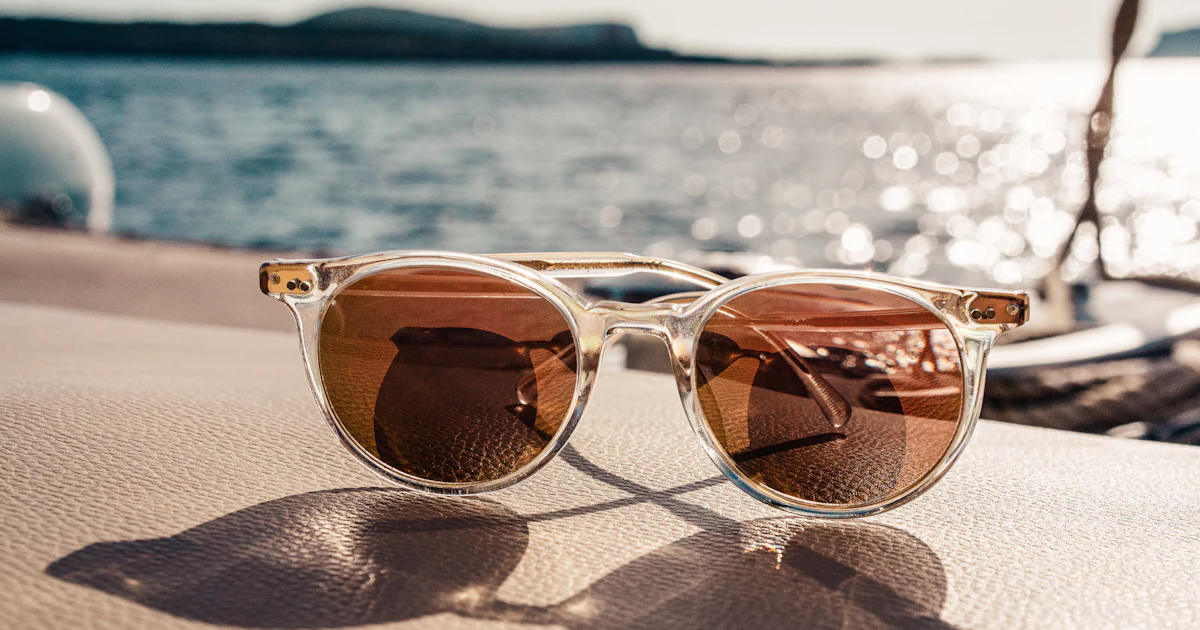
"Polarized" and "UV protection" are often mentioned together, but they do different jobs.
UV protection
Ultraviolet light is invisible. UV-blocking lenses absorb UVA and UVB rays. Look for 100% UVA/UVB or UV400 labels. UV protection is not linked to how dark a lens looks — a clear lens can block UV, and a dark lens without proper filtering might not.
Polarization
Light reflecting off flat surfaces such as water, wet roads or snow becomes partly polarized, producing intense horizontal glare. Polarized lenses contain a filter that blocks much of this reflected glare. Many people find them more comfortable for driving, fishing and beach days.
Side by side
- UV400: protects against invisible UV light. Essential for any sunglasses.
- Polarized: reduces visible glare from reflections. A comfort and clarity upgrade.
Things to know about polarized lenses
- Some LCD screens and dashboard displays can look dark or patterned through them.
- Pilots and some professionals are advised not to use them for certain tasks.
Our approach
Every Lumora sun lens is UV400. Polarization is an optional upgrade in the lens builder. Browse polarized sunglasses or read more about UV protection.
This article is general information and not a substitute for advice from a licensed eye-care professional.